The Komodo dragon is the largest living lizard on Earth and one of the most powerful reptiles alive today. These amazing hunters live on a few Indonesian islands. One of these islands is the famous Komodo Island in Komodo National Park.
At the Australian Reptile Park, visitors can see our Komodo dragons up close and learn about these fascinating creatures' hunting skills and unique lifecycle. The park also teaches about the conservation work needed to protect this endangered species.
Quick Facts
- Scientific name: Varanus komodoensis
- Family: Monitor lizard
- Where they live: Komodo, Rinca, Flores and the Lesser Sunda Islands
- Size: Up to 3 metres long
- Weight: Around 90kg, sometimes heavier
- Lifespan: Up to 30 years in the wild
Where Komodo Dragons Live
Komodo dragons are native to a small area and are found solely on a handful of small Indonesian islands, such as Komodo Island and Rinca.
They prefer hot, dry environments such as:
- Grasslands and open savannahs
- Dry forests with little rainfall
- Hillsides and volcanic slopes
Although they are heavy reptiles, Komodo dragons are strong swimmers and can move between islands when searching for food. As the top predator in their ecosystem, they play an important role in keeping animal populations balanced.
What Komodo Dragons Eat
Komodo dragons are carnivores and are known for their powerful hunting ability. They can take down animals much larger than themselves and will also scavenge on carrion (dead animals).
- They eat live prey such as deer, pigs, and even water buffalo.
- A Komodo dragon can eat up to 80% of its body weight in a single meal.
- Young Komodo dragons eat insects, small reptiles, and birds until they are large enough to hunt bigger prey.
- Like many predators, they help recycle nutrients by consuming carrion.
How They Hunt
Komodo dragons use a mix of stealth, patience, and raw power to catch their prey. They are ambush predators, lying in wait until the perfect moment to strike.
- Their serrated teeth slice through flesh and cause severe blood loss.
- Proteins in their saliva prevent blood clotting, which weakens animals even further.
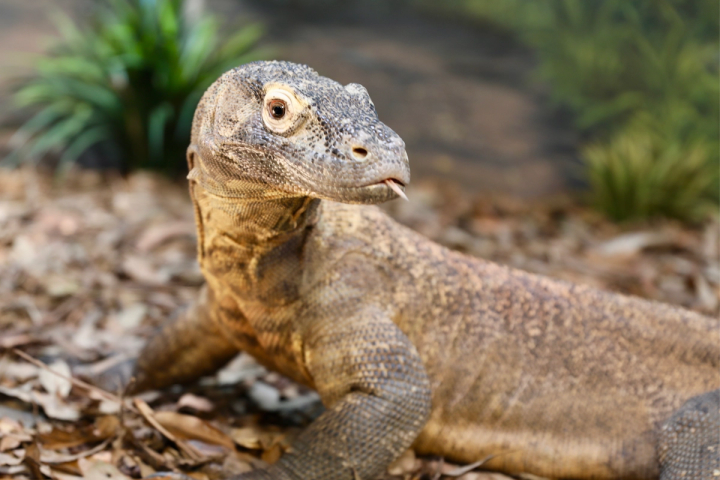
- Their long, forked tongue helps them sense chemicals in the air, allowing them to “smell” prey from several kilometres away.
- Once an animal collapses, adult Komodo dragons use their powerful jaws and neck muscles to eat even tough-skinned prey.
This combination of adaptations makes them one of the most successful hunters in the animal kingdom.
Komodo Dragon Lifecycle
The lifecycle of the Komodo dragon is unique among reptiles.
- Female Komodo dragons lay 20–30 eggs in a burrow or mound, which incubate for about 8 months.
- When the hatchlings emerge, they climb trees to avoid predators, including other Komodo dragons.
- Young Komodo dragons feed on insects, small lizards, and birds while living in the safety of the treetops.
- At around 5 years of age, they are large enough to move down to the ground and begin hunting larger prey.
- Adult Komodo dragons become dominant predators, with few natural threats besides humans.
This survival strategy helps ensure more young dragons reach adulthood.
Amazing Adaptations
Komodo dragons are filled with fascinating traits that have allowed them to survive for millions of years.
- They are the largest living lizard on Earth
- They have venom and saliva proteins that prevent blood clotting in prey
- They have huge claws for digging, climbing, and fighting rivals
- They use their powerful tails defence and balance
- They have an incredible sense of smell using their forked tongue
- They have the ability to eat animals bigger than themselves by stretching their jaws and stomach
These adaptations show why Komodo dragons are often compared to prehistoric reptiles.
Threats and Conservation
Komodo dragons are currently listed as an endangered species, with fewer than 6,000 individuals remaining in the wild. Their survival is under threat from several factors:
- Habitat loss because of human activity, farming, and fires
- Hunting of prey animals like deer and pigs, which reduces food availability
- Rising sea levels that threaten their small island habitats
Conservation efforts are critical. Steps being taken include:
- Strong protections inside Komodo National Park
- Research into breeding and behaviour to help safeguard the species
- Ecotourism that supports local communities while protecting the dragons
- Education programs that raise awareness about their importance
Without these efforts, the Komodo dragon could face a rapid decline.
Komodo Dragons at the Australian Reptile Park
Our Komodo dragons are one of the highlights for visitors. They allow people to safely see just how impressive these reptiles are in real life.
- Training and enrichment activities encourage natural behaviours like digging, climbing, and hunting responses.
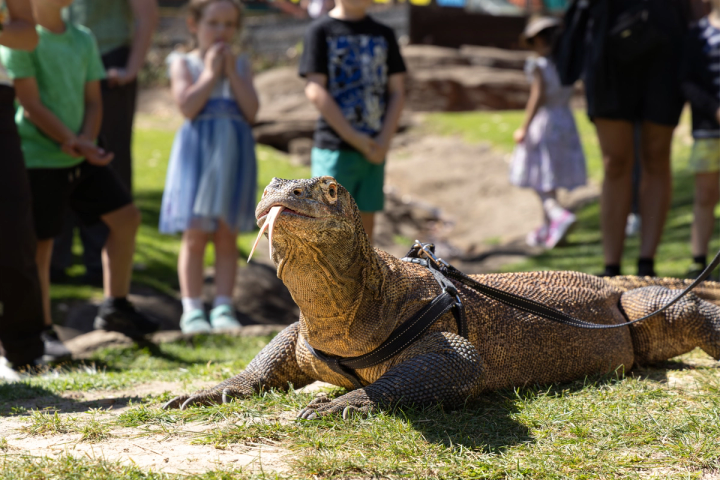
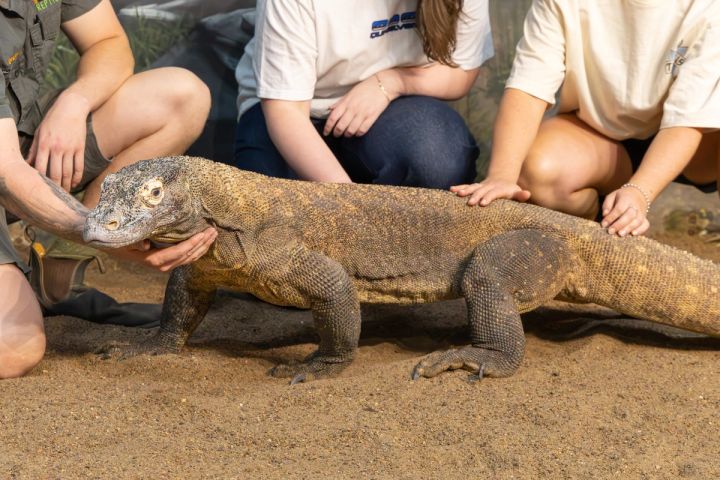
- Going to the Komodo dragon walk is an unforgettable experience for visitors of all ages. See these amazing animals up close and learn all about them from our experienced zookeepers.
- Keepers feed them a carefully managed diet similar to what Komodo dragons eat in the wild.
- They have been successfully mated at the Reptile Park and you can watch more here.
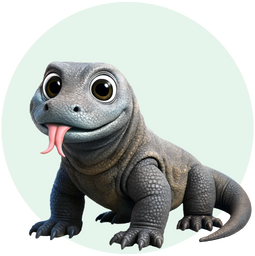
- Visitors can now see Sunda, the Australian Reptile Park’s rare baby Komodo dragon hatchling, on display in the Lost World of Reptiles. At just 30cm long, Sunda gives guests the incredible chance to see the world’s largest lizard species while he is still tiny.